
Simpsonville, SC · Garage Door Service
Opener Repair for Fountain Inn's Newer Housing Stock
Fountain Inn homes mostly went up after 1997, so openers here are circuit-board units, not the mechanical arms from Simpsonville's older stock. We come 4 miles to fix them.
- Repairs & new doors
- Springs & openers
- Serving 4 nearby communities
How Long You Are Without the Door
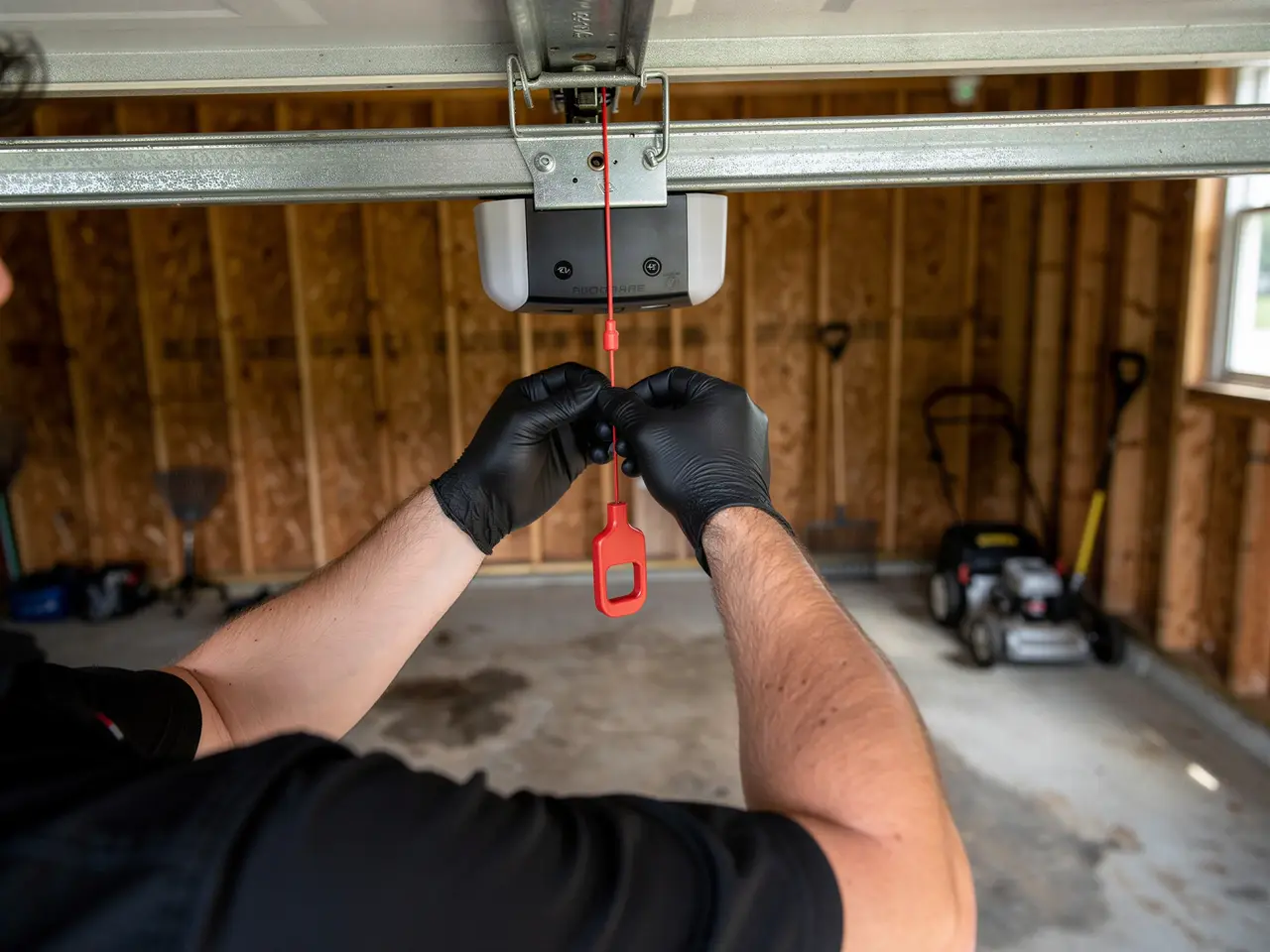
We run this call from our Simpsonville shop, 4 miles up the road, so Fountain Inn isn't a same-building dispatch - but it's close enough that a bad opener doesn't turn into an all-day wait either. Most of the houses we get called to here were built after 1997, well newer than the 1979 median across the wider service area, which means the openers inside them are circuit-board units with keypads, remotes, and sometimes a safety sensor pair wired into a logic board rather than a simple relay switch. That changes what "fixing it" looks like. An older mechanical opener either works or it doesn't. A board-driven unit can fail halfway - lights blink, the motor hums, nothing moves - and figuring out which part of the board quit takes longer than swapping a capacitor on a thirty-year-old unit. We tell people up front: diagnosis on a newer board-based opener can take longer than the actual fix once we know what's wrong.
What the Repair Takes
On a Fountain Inn opener from the late '90s or 2000s, the first stop is the logic board and the safety sensor wiring, not the motor. Garages in houses built in this era usually have the sensors mounted a few inches off the slab on brackets that were never adjusted after the house settled - a half-inch of misalignment reads to the opener as an obstruction and the door won't close, even though nothing is wrong with the motor or the track. We check sensor alignment, test the board's output to the motor, and look at the wall control before we touch anything mechanical, because on newer openers the mechanical parts usually outlast the electronics.
Why This Fails Locally
The area sits in a cold-moderate climate band, and board-based openers are more sensitive to that swing than the chain-and-relay units common in older housing. Cold mornings make capacitors and relay contacts on an aging circuit board act sluggish before they fail outright - the door hesitates, double-taps the remote signal, or responds on the third try instead of the first. In a house built in 1997 or later, that board is now old enough that this kind of intermittent behavior is common, and it's usually the board, not the motor, that's tired.
What Can Go Wrong
The common failure here is a dead or flaky logic board - the part that reads the remote signal and sensor input and tells the motor what to do. Second most common: safety sensors knocked out of alignment, which is a five-minute fix, not a parts job. Less common but real: the wall control unit itself loses contact with age and needs replacing separately from the opener motor. We don't see much of the spring and cable damage that defines opener calls in older housing stock - that's a different repair with different parts.
The Symptom
If your opener in Fountain Inn lights up, makes noise, but the door doesn't move - or moves partway and reverses - that points to the board or the sensors, not the motor itself. A door that won't respond to the remote but works fine from the wall button usually means a dead remote battery or a board that's lost its paired code, both cheap fixes. A door that closes, then immediately reopens on its own points almost every time to a sensor that's dirty, knocked out of line, or has a spider web across the beam - check that before you call anyone.
The DIY Question
Realigning a safety sensor or replacing a remote battery is a fair DIY job and we'd rather you try it first - it saves you a trip charge for something that takes two minutes. Opening the logic board housing is where we'd stop you: these boards aren't repaired, they're replaced, and the wrong replacement board won't pair correctly with your existing motor and sensors. If your opener is original to a 1997-era build, we're honest that a straight swap to a new unit is often the better call than chasing a 25-year-old board for parts that may not be stocked anymore.
Frequently asked questions
Why does my opener work fine in summer but act up in winter?
Cold mornings slow down aging circuit boards and relay contacts before they fail completely. You'll see hesitation, double-tapping, or a door that only responds on the third remote press. It's a sign the board is wearing out, not a weather problem on its own - the cold just exposes a part that was already getting tired.
Is my opener old enough to need full replacement instead of a repair?
If your house went up around 1997 like most of Fountain Inn's stock and the opener is original, it's likely 20-plus years old. At that age a board failure often costs close to what a new unit runs, so we'll tell you straight if replacement makes more sense than chasing parts for an old board.
Do you have a shop in Fountain Inn?
No. We run out of Simpsonville, about 4 miles away, and cover Fountain Inn from there. There's no local branch or drop-off point here - we come to the house for the diagnosis and the fix.
My door closes then pops back open - what's wrong?
That's almost always the safety sensors near the bottom of the track. Something is breaking the beam between them, or one has drifted out of alignment. Check for dust, a spider web, or a knocked bracket before assuming it's a bigger electrical problem.
More garage door services in Fountain Inn
Book garage door service in Simpsonville
Call now or request a quote - tell us what the door is doing and where you are.